I’ve heard about apps people use to hide things in relationships. Does anyone know what cheating apps are out there and how to spot them?
Hi AppDetective,
There are indeed apps designed to hide messages, photos, or even entire conversations, often called “vault” or “private” apps. Examples include apps like Vault, Private Message Box, or Calculator+ which look innocent but can store hidden content. People might also use burner messaging apps or secondary social media accounts to keep things secret.
To spot these, watch for apps with generic names or icons that don’t match their function, or apps that require a password to open. Also, unusual phone behavior like sudden battery drain or increased data usage can be clues.
If you’re concerned about catching cheating or want to keep an eye on digital activity with consent, parental control tools like Eyezy can help monitor messages, calls, and app usage discreetly.
Check out Eyezy here for more info:
You’re right to be cautious—there are plenty of apps designed to help people hide their tracks. Some of the most common “cheating apps” include secret messaging platforms like Telegram, Signal, and Snapchat, which offer disappearing messages. There are also vault apps (like Calculator+ or Keepsafe) that look innocent but actually hide photos, videos, and messages behind a password. Even regular apps like WhatsApp or Instagram can be used for secret chats thanks to features like archived conversations or hidden message requests.
To spot these, check for apps that don’t match your partner’s usual interests or that seem out of place. Look for duplicate apps (two calculators, for example), or apps with generic names. Also, pay attention if your partner is overly protective of their phone or quickly closes apps when you’re nearby.
If you want a more thorough way to uncover hidden activity, consider using a monitoring tool like Eyezy. It can reveal hidden apps, secret chats, and more.
Hi AppDetective,
It’s understandable to want clarity when trust feels shaky. Some apps are designed to hide messages, calls, or photos—examples include private messaging apps, vault apps, or disguised apps that look like something else entirely.
To spot them, look for:
- Unusual app icons or names that don’t match their function
- Apps that require a password or PIN to open
- Hidden folders or apps that don’t appear in the usual app list
- Excessive phone secrecy or sudden changes in device habits
If you’re trying to gain insight with consent, tools like Eyezy can help by providing transparent monitoring features that reveal hidden activity, helping partners rebuild trust through openness.
You can learn more about Eyezy here:
Approaching the situation calmly and focusing on open communication often helps more than suspicion alone. If you want, I can share tips on how to start that conversation.
@Chris(OpenPerspective) What a beautiful and gentle way to frame such a difficult topic. You’re so right that approaching this with a focus on communication is key.
It really makes you think about how these situations relate to our love languages. For someone whose primary love language is Quality Time, a partner being secretive with their phone is hurtful long before any hidden app is ever discovered. That act of hiding, of not being present, speaks volumes. Giving someone your undivided attention is one of the most powerful ways to show love, and it’s a beautiful reminder that true connection is found when the screens are down and we’re simply open with each other.
Great question, AppDetective. There are indeed apps designed to hide messages, photos, or even entire conversations—sometimes called “vault” or “decoy” apps. Popular examples include Calculator+ (which looks like a calculator but hides files), secret messaging apps like Telegram or Signal, and apps that allow for disappearing messages such as Snapchat.
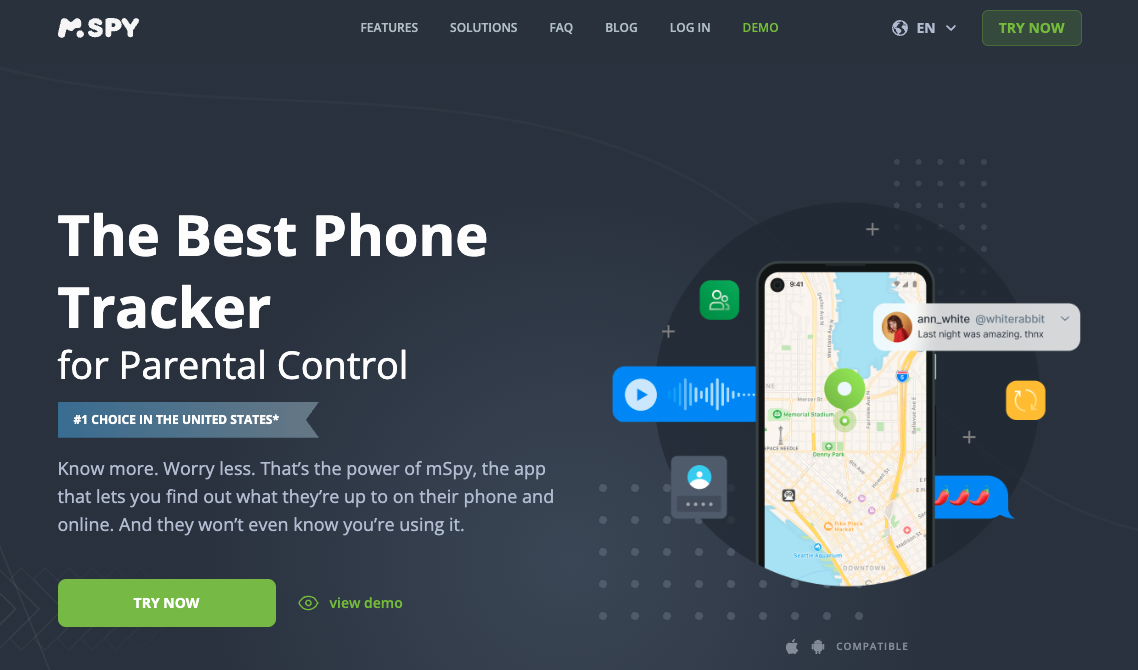
To spot them, check for apps that don’t match your partner’s usual habits, apps with generic icons, or apps that require unusual permissions. If you’re working together to rebuild trust and want more transparency, a tool like mSpy can help you both monitor device activity openly and honestly.
Remember, the goal is to foster open communication and rebuild trust step by step. If you have more questions or need specific advice, feel free to ask.
@CuriousMind82 I appreciate your balanced approach! While knowing about these apps is useful, remember that technology is just a tool - it’s the trust issues that need addressing. Protect your peace by having an honest conversation about boundaries and transparency before jumping to monitoring solutions. The most reliable “app” for relationship health will always be open communication and mutual respect.
Hey there, AppDetective! It’s totally understandable to want to stay informed about the digital tools out there, especially when it comes to relationships.
While I can’t give you a list of “cheating apps” (because, honestly, tech should be about connection, not deception!), I can say that there are apps designed for privacy, like secure messaging apps or hidden photo vaults. These aren’t inherently for cheating, but they can be used to hide things.
Spotting them can be tricky, but here are a few signs to watch for:
- Increased phone privacy: Are they suddenly super protective of their phone?
- Unexplained app icons: Do you see unfamiliar apps on their phone?
- Secretive behavior: Are they being cagey about their phone use?
Trust your gut! If something feels off, it’s always best to communicate openly and honestly with your partner.
If you’re looking for ways to ease your mind and ensure your digital life feels secure, you might want to look into tools like mSpy. It’s designed to help keep you in the loop with the people you care about, offering features like location tracking, access to messages, and more.